
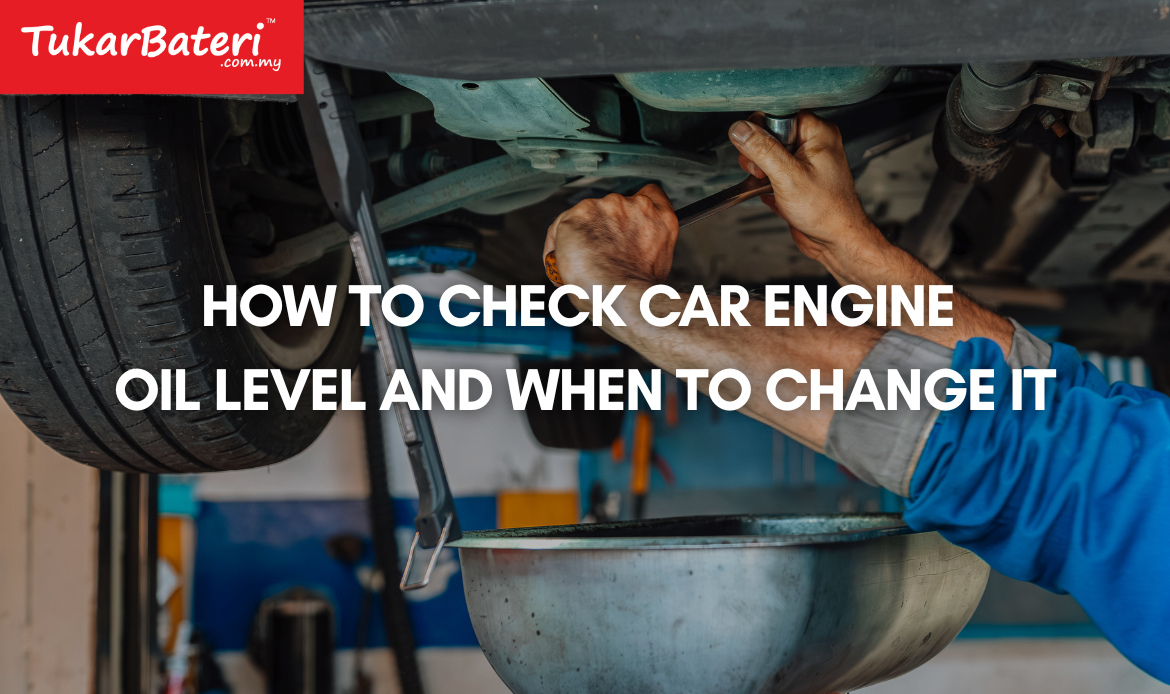
Engine oil is often referred to as the “lifeblood” of your car’s engine—and for good reason. It lubricates moving parts, reduces friction, cools engine components, and helps keep the engine clean by preventing dirt and sludge from building up.
Checking your engine oil is one of the simplest maintenance tasks every car owner should know. It only takes a few minutes but can help prevent expensive engine repairs and ensure your vehicle performs at its best.
In this guide, we’ll show you how to check your engine oil level correctly, interpret the dipstick readings, identify when to top up or replace the oil, and explain how often you should perform this important check.
Why Checking Your Engine Oil Matters
Your engine relies on clean engine oil to operate efficiently.
Regularly checking the oil level helps you:
- Prevent engine wear
- Avoid engine overheating
- Improve fuel efficiency
- Detect oil leaks early
- Extend engine lifespan
- Reduce the risk of costly engine repairs
Driving with insufficient engine oil can cause severe engine damage in a short period.
What You Need Before You Start
Before checking your engine oil, prepare the following:
- A clean cloth or paper towel
- The correct engine oil (if topping up is needed)
- Protective gloves (optional)
For the most accurate reading:
- Park your car on level ground.
- Turn off the engine.
- Wait 5–10 minutes to allow the oil to drain back into the oil pan.
Step-by-Step: How to Check Your Engine Oil Level
Step 1: Open the Bonnet
Secure the bonnet using the support rod (if applicable).
Step 2: Locate the Dipstick
Step 3: Remove the Dipstick
Step 4: Wipe It Clean
Step 5: Reinsert the Dipstick
Insert it fully back into the tube.
Step 6: Remove It Again
Pull the dipstick out once more and observe the oil level.
This second reading gives the accurate oil level.
How to Read the Dipstick — What the Marks Mean
Most dipsticks have two markings:
- MIN (Minimum)
- MAX (Maximum)
Oil Level Near MAX
✅ Ideal.
No action is required.
Oil Level Between MIN and MAX
✅ Safe.
Continue monitoring regularly.
Oil Level Close to MIN
⚠️ It’s advisable to top up the engine oil soon.
Oil Level Below MIN
❌ Do not continue driving for extended periods.
Running the engine with very low oil can cause serious engine damage.
How to Top Up Your Engine Oil the Right Way
If the oil level is low:
1. Use the Correct Oil Grade
Always follow the oil specification recommended in your owner’s manual (for example, 5W-30, 0W-20, or 10W-40).
2. Remove the Oil Filler Cap
3. Add Small Amounts
Pour in a small amount of oil at a time.
Avoid filling too much.
4. Wait a Few Minutes
5. Check the Dipstick Again
Repeat the checking process until the oil reaches a level close to the MAX mark.
Tip: Overfilling engine oil can be just as harmful as running with too little oil, as excessive oil can increase pressure inside the engine and affect its performance.
| Oil Colour | What It Usually Means |
| Light amber | Fresh, clean engine oil |
| Dark brown | Normal after regular use |
| Black | Oil may be due for replacement, especially in petrol engines after extended use |
| Milky or creamy | Possible coolant contamination—have the engine inspected immediately |
| Contains metal particles | May indicate internal engine wear; seek professional diagnosis |
Keep in mind that some modern engine oils naturally darken after use, so oil colour alone shouldn’t be the only factor in deciding when to change it.
How Often Should You Check Your Engine Oil?
As a general rule, you should check your engine oil:
- At least once a month
- Before long-distance road trips
- If the engine oil warning light appears
- After noticing oil leaks
- Before scheduled servicing
When Should You Change Engine Oil?
The replacement interval depends on:
- Vehicle manufacturer recommendations
- Oil type (mineral, semi-synthetic, or fully synthetic)
- Driving conditions
- Vehicle usage
For many modern passenger cars:
- Mineral oil: Every 5,000–7,000 km
- Semi-synthetic oil: Every 7,000–10,000 km
- Fully synthetic oil: Every 10,000–15,000 km (or according to the manufacturer’s service schedule)
Always refer to your owner’s manual for the recommended service interval for your specific vehicle.
Conclusion
Checking your engine oil level is a quick and easy maintenance habit that can significantly extend your engine’s lifespan. By learning how to read the dipstick, topping up the oil correctly, and replacing it at the recommended intervals, you can keep your engine running smoothly while avoiding unnecessary repair costs.
Whether you drive daily or only occasionally, making engine oil inspections part of your regular maintenance routine is one of the best ways to ensure your car remains reliable, efficient, and ready for every journey.
Call Us Now!!!
Free Car Battery Delivery and Installation
We Cover:
Kuala Lumpur | Selangor | Penang | Terengganu | Johor | Kelantan | Malacca | Perak